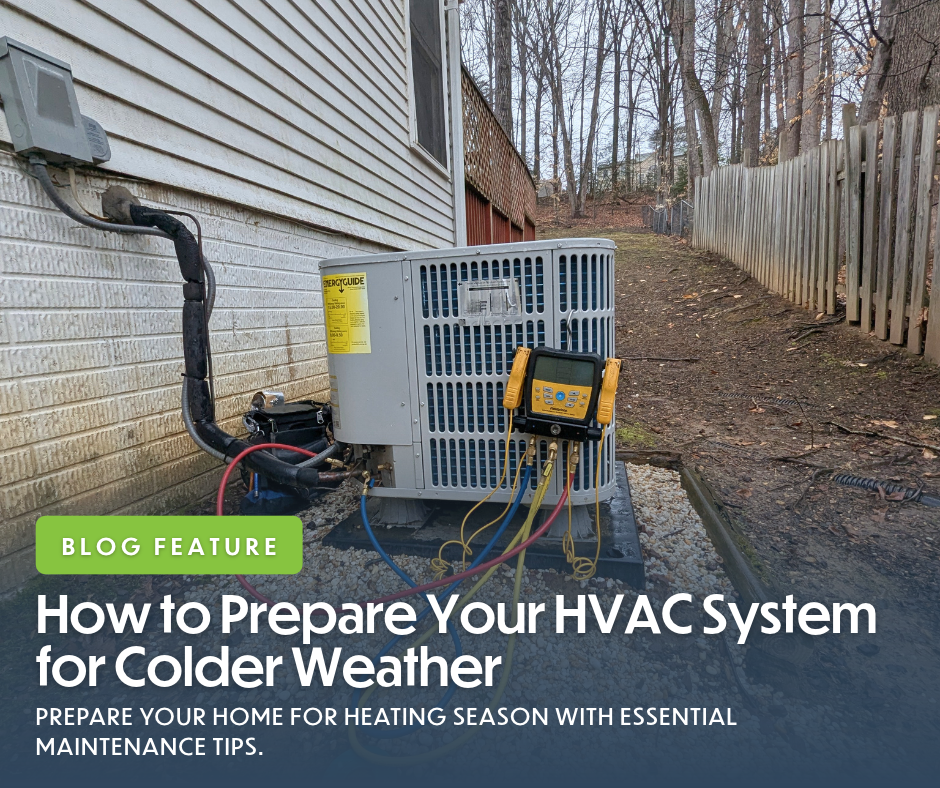
As temperatures begin to drop and fall settles into Virginia, your HVAC system is about to make an important transition. After spending months keeping your home cool, it will soon be responsible for keeping your family warm and comfortable throughout the colder months.
Before you turn up the heat for the season, taking a little time to prepare your HVAC system for colder weather can make a big difference.
Fall HVAC preparation can help improve efficiency, identify potential problems before winter, and reduce the chances of discovering that something isn’t working on the first truly cold day of the year.
For homeowners throughout Fredericksburg, Stafford, Spotsylvania, King George, and Northern Virginia, here’s what you should do to get your heating and cooling system ready for colder weather.
1. Replace Your HVAC Air Filter
One of the easiest places to start is your air filter.
Throughout the summer, your HVAC system works hard to circulate cool air through your home. Along the way, the filter collects dust, pollen, pet dander, and other airborne particles.
If the filter becomes clogged, it can restrict airflow and force your system to work harder to maintain your desired temperature. That can affect both efficiency and comfort.
Before heating season begins, inspect your filter and replace it if necessary. Depending on your filter, household, pets, allergies, and system usage, filters may need to be replaced more or less frequently.
Checking the filter regularly throughout the heating season is also a good habit. A clean filter helps maintain proper airflow and gives your HVAC system one less obstacle to overcome.
2. Test Your Heating System Before You Need It
Don’t wait until the first freezing night to find out whether your heat works.
Choose a mild fall day and switch your thermostat from cooling to heating. Raise the temperature a few degrees above the current indoor temperature and allow the system to run.
Pay attention to how it operates. Is warm air coming from the vents? Does the system start normally? Are there unusual sounds or odors?
A brief dusty or burning smell can sometimes occur when you turn on the heat for the first time after months of inactivity as accumulated dust burns off. However, persistent burning odors, electrical smells, unusual noises, or a system that isn’t producing heat should be evaluated by an HVAC professional.
Testing your system early gives you time to address problems before you depend on it every day.
3. Check Your Thermostat
Your thermostat plays an important role in both comfort and energy usage.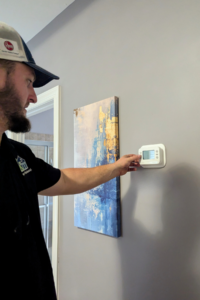
Before colder weather arrives, make sure your thermostat responds properly when you switch between heating and cooling modes. If it uses batteries, fall is also a good time to check or replace them.
If you have a programmable or smart thermostat, review your heating schedule for the upcoming season. Your fall and winter routine may be very different from your summer schedule.
For example, you may want different temperatures for when you’re:
- Home and awake
- Sleeping
- At work
- Away for an extended period
Creating a schedule based on when you actually need heating can help reduce unnecessary HVAC usage without sacrificing comfort.
If your thermostat is outdated or doesn’t provide the control you want, fall can also be a good time to discuss whether an upgrade makes sense for your system.
4. Check Your Vents and Registers
Before heating season begins, walk through your home and check your supply and return vents.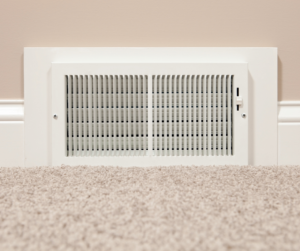
Furniture, rugs, curtains, boxes, and other household items can accidentally block vents. Restricted airflow can make it harder for your HVAC system to distribute conditioned air throughout the home.
Make sure vents are open and unobstructed, and vacuum away visible dust and debris when necessary.
You may be tempted to close vents in rooms you don’t use frequently, but doing so isn’t necessarily an effective way to save energy. HVAC systems are designed around specific airflow requirements, and closing too many vents can create pressure and airflow problems.
Instead, keep vents open and talk to an HVAC professional if you’re consistently experiencing uneven temperatures throughout your home.
5. Pay Attention to Unusual HVAC Warning Signs
Your heating system may still operate even when something isn’t quite right.
Fall is a good opportunity to pay attention to changes in system performance before winter puts additional demand on the equipment.
Warning signs can include unusual banging, grinding, rattling, or squealing noises; weak airflow; frequent cycling; uneven temperatures; unexpected increases in energy usage; or difficulty reaching the thermostat setting.
You should also pay attention to unusual odors or visible moisture around HVAC equipment.
These symptoms don’t automatically mean you need a major repair or replacement. However, they are worth investigating. Addressing a small problem early can sometimes prevent it from becoming a larger issue later in the season.
6. Clear the Area Around Outdoor Equipment
Leaves, grass clippings, branches, weeds, and other debris can accumulate around outdoor HVAC equipment throughout the year.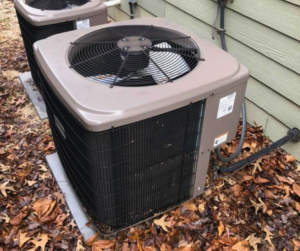
As leaves begin to fall, check the area around your outdoor unit and remove debris that could interfere with airflow.
If you have a heat pump, this is particularly important because the outdoor unit continues operating during the heating season. It needs adequate airflow to function properly.
Avoid stacking firewood, storing lawn equipment, or placing outdoor decorations directly against HVAC equipment.
During winter, periodically check your heat pump after snow or icy weather as well. The equipment needs room to breathe throughout the season.
7. Consider the Condition of Your Ductwork
Your HVAC equipment can be operating properly while your home still struggles to stay comfortable because of problems elsewhere in the system.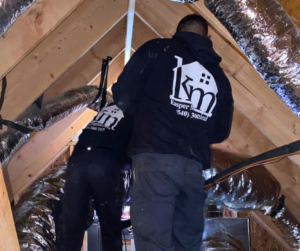
Ductwork is one example.
Loose connections, leaks, damaged ducts, or poor insulation can allow heated air to escape before it reaches the rooms in your home. Your heating system then has to work harder to compensate for that lost air.
Possible signs of ductwork problems include rooms that are consistently hotter or colder than others, weak airflow from certain vents, excessive dust, or higher-than-expected energy bills.
If you’ve noticed ongoing comfort issues, having your ductwork evaluated may help identify where conditioned air is being lost.
8. Schedule Fall HVAC Maintenance
There are several things homeowners can check themselves, but professional seasonal HVAC maintenance goes much deeper.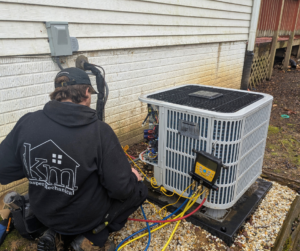
During a professional maintenance visit, a technician can evaluate your system’s operation, inspect important components, and identify signs of wear or potential problems.
Depending on the type of heating equipment in your home, professional maintenance may include inspecting electrical connections and safety components, checking heating components, evaluating airflow, inspecting drains, testing system operation, and checking other equipment-specific components.
The goal is to make sure your heating system is ready to operate safely and reliably before it faces the demands of winter.
Fall is an especially convenient time to schedule service because you’re addressing potential problems before heating season is in full swing.
9. Don’t Forget About Indoor Air Quality
When colder weather arrives, doors and windows tend to stay closed. That means you’re spending more time breathing air that’s being circulated throughout your home.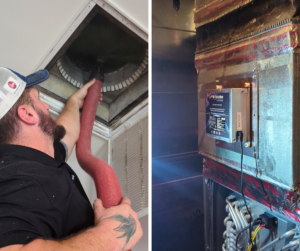
Dust, pet dander, allergens, and other airborne particles can accumulate indoors, particularly when ventilation is limited.
Your HVAC system can play an important role in maintaining indoor air quality. Starting with a clean air filter is important, but some homes may benefit from additional indoor air quality solutions.
If your home feels excessively dusty, dry, stuffy, or uncomfortable during winter, talk with an HVAC professional about whether your heating and cooling system could be contributing to the problem.
10. Know the Age and Condition of Your System
Preparing your HVAC system for colder weather is also a good opportunity to think about the bigger picture.
How old is your heating equipment? Has it needed several repairs recently? Does it still heat your home evenly? Have your energy bills been increasing?
An older system doesn’t automatically need to be replaced. However, understanding its age and condition can help you plan ahead instead of being caught off guard by an unexpected failure.
If your furnace, heat pump, or other heating equipment is approaching the end of its expected service life, having it evaluated before winter can give you time to understand your options.
It’s much easier to consider a potential replacement when your current system is still operating than when you’re suddenly without heat on a cold winter day.
Why Fall HVAC Preparation Matters
Your HVAC system is one of the hardest-working systems in your home. In Virginia, it may transition from heavy summer cooling directly into fall and winter heating with relatively little downtime.
Preparing ahead can help you:
- Catch potential problems before colder weather arrives
- Maintain proper airflow and system performance
- Improve energy efficiency
- Reduce the risk of unexpected heating problems
- Keep your home more comfortable throughout winter
Most importantly, preparing early gives you time to make informed decisions rather than reacting to an HVAC emergency.
Make Seasonal HVAC Maintenance Part of Your Routine
Preparing your HVAC system for colder weather shouldn’t be a one-time task. Heating and cooling equipment benefits from regular attention throughout the year.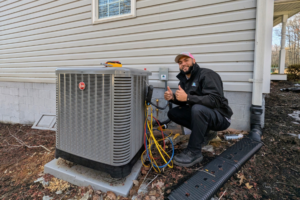
Seasonal maintenance gives an HVAC professional the opportunity to evaluate your equipment before the periods when you rely on it most.
For homeowners who want to make routine maintenance easier to remember, the Kasper Mechanical Customer Care Club includes two preventative maintenance checks each year, along with additional member benefits.
Keeping up with seasonal maintenance can help you better understand the condition of your equipment and address potential problems before they interfere with your comfort.
Is Your HVAC System Ready for Colder Weather?
Don’t wait until the first cold night to find out that your heating system isn’t ready.
Whether you need seasonal HVAC maintenance, have noticed a problem with your heating system, or simply want peace of mind before winter, Kasper Mechanical Heating and Air Conditioning can help.
We proudly serve homeowners throughout Fredericksburg, Stafford, Spotsylvania, King George, and the surrounding Northern Virginia area.
Get ahead of colder weather and make sure your HVAC system is ready when you need it most.
Contact Kasper Mechanical today to schedule your fall HVAC maintenance or heating service.