
If your allergy symptoms seem worse inside your home than outside, your HVAC system could be part of the reason.
Many homeowners don’t realize how closely connected allergies and your HVAC system really are. Your heating and cooling system doesn’t just control temperature — it also circulates air throughout your home. If that air contains allergens, your HVAC system can either help reduce them… or spread them.
For homeowners in Stafford, Fredericksburg, and across Northern Virginia, spring pollen and high humidity levels make indoor air quality especially important.
Let’s take a closer look at how your HVAC system affects allergies — and what you can do about it.
Common Indoor Allergens in Virginia Homes
Even if you keep a clean house, allergens can build up in your indoor air. In Virginia, some of the most common triggers include:
- Pollen (especially during spring and fall)
- Dust mites
- Pet dander
- Mold spores
- Mildew
- Outdoor pollutants carried inside
Your HVAC system continuously pulls in and redistributes air. Without proper filtration and maintenance, allergens can circulate repeatedly through your home.
How Your HVAC System Can Make Allergies Worse
Your system may unintentionally contribute to allergy symptoms if:
- Air filters are dirty or low quality

- Ductwork contains dust buildup
- Humidity levels are too high
- Coils are dirty
- Drain lines are clogged
- The system hasn’t been properly maintained
For example, a clogged air filter restricts airflow and allows smaller allergen particles to pass through. Similarly, high humidity creates an ideal environment for mold growth — a major allergy trigger.
If you notice sneezing, itchy eyes, congestion, or worsening asthma symptoms indoors, your HVAC system could be playing a role.
The Role of Air Filters in Allergy Control
Your air filter is the first line of defense against airborne particles.
Standard fiberglass filters primarily protect the HVAC equipment — not your air quality. Higher-efficiency filters are designed to trap smaller particles like pollen, dust, and pet dander.
When choosing a filter, look at the MERV rating (Minimum Efficiency Reporting Value).
- MERV 1–4: Basic protection
- MERV 5–8: Moderate filtration
- MERV 9–13: High-efficiency residential filtration
- MERV 13+: Superior allergen capture
Many homeowners with allergies benefit from filters in the MERV 8–13 range. However, higher MERV filters can restrict airflow if your system isn’t designed for them. It’s important to consult a professional before upgrading.
Filters should typically be replaced every 1–3 months, especially during peak pollen season in Virginia.
Humidity and Allergies: Why It Matters
Humidity plays a major role in indoor air quality.
When humidity is too high, it encourages:
- Mold growth
- Mildew
- Dust mites
When it’s too low, it can:
- Dry out nasal passages
- Increase respiratory irritation
Virginia summers are known for high humidity levels. A properly functioning HVAC system should help regulate moisture, but if your system struggles, indoor humidity can rise quickly.
Maintaining indoor humidity between 30–50% helps reduce allergen growth and improves comfort.
Ductwork and Allergen Circulation
Your duct system acts like the lungs of your home.
If ducts are: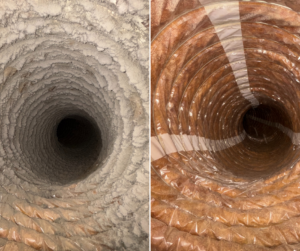
- Leaking
- Dirty
- Poorly sealed
They can pull in dust from attics or crawl spaces and distribute it throughout your home.
Over time, dust and debris accumulate inside ductwork. While not every home requires frequent duct cleaning, homes with:
- Pets
- Renovation history
- Visible dust buildup
- Allergy-sensitive occupants
may benefit from professional evaluation.
Proper duct sealing can also prevent unfiltered air from entering the system.
Can Air Purifiers Help With Allergies?
Whole-home air purification systems integrate directly with your HVAC system to remove airborne contaminants.
These systems can: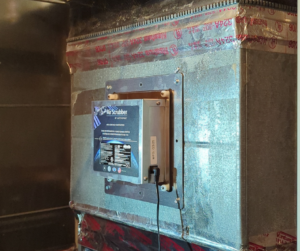
- Capture smaller particles than standard filters
- Neutralize bacteria and viruses
- Reduce mold spores
- Improve overall indoor air quality
Unlike portable units that treat a single room, whole-home solutions work throughout your entire house.
For allergy sufferers, air purification can provide noticeable symptom relief when combined with regular HVAC maintenance.
Signs Your HVAC System Is Affecting Your Allergies
You may notice HVAC-related air quality issues if:
- Symptoms worsen when the system runs
- Dust accumulates quickly after cleaning
- Certain rooms feel stuffy
- You smell musty odors from vents
- You experience frequent sinus irritation indoors
These signs often point to filtration, airflow, or humidity problems.
The Importance of Seasonal HVAC Maintenance
Routine HVAC maintenance plays a major role in allergy control.
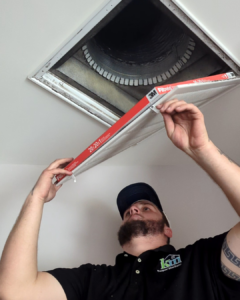
During professional service, technicians typically:
- Clean evaporator and condenser coils
- Inspect and replace filters
- Check airflow
- Flush drain lines
- Inspect duct connections
- Evaluate humidity performance
Skipping maintenance allows dirt and debris to build up, which can impact both efficiency and air quality.
Spring maintenance is especially important in Virginia before the heavy pollen season begins.
Additional Steps Homeowners Can Take
Beyond HVAC service, you can reduce indoor allergens by:
- Keeping windows closed during high pollen days
- Vacuuming with HEPA filters
- Using exhaust fans in bathrooms and kitchens
- Washing bedding frequently
- Keeping pets groomed
- Sealing air leaks around doors and windows
However, your HVAC system remains the central component in managing whole-home air circulation.
Are Allergy Symptoms Worse in Newer or Older Homes?
Both can experience issues. 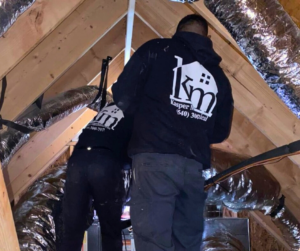
Older homes may have:
- Leaky ductwork
- Poor insulation
- Outdated filtration
Newer homes, while tightly sealed, may trap allergens indoors without proper ventilation.
Each home requires a slightly different approach to optimizing indoor air quality.
Why Indoor Air Quality Matters in Virginia
Stafford and Fredericksburg residents experience:
- Intense spring pollen
- Humid summers
- Seasonal mold risks
- Temperature fluctuations
These factors make proper HVAC maintenance and filtration even more important for allergy sufferers.
When outdoor allergens enter your home, your HVAC system determines whether they’re filtered out — or recirculated.
The Bottom Line
Your HVAC system has a direct impact on your allergy symptoms.
If properly maintained and equipped with the right filtration and humidity controls, it can significantly improve indoor air quality. If neglected, it can contribute to ongoing discomfort.
Understanding the connection between allergies and your HVAC system helps you take proactive steps to create a healthier home environment.
Breathe Easier With Professional HVAC Support
If you’re struggling with allergy symptoms inside your home, Kasper Mechanical Heating and Air Conditioning can help.
Our team can:
- Evaluate your current filtration system
- Recommend appropriate MERV-rated filters
- Inspect ductwork
- Assess humidity levels
- Install whole-home air purification systems
- Perform seasonal HVAC maintenance
Don’t let poor indoor air quality affect your comfort.
Contact Kasper Mechanical today to schedule an indoor air quality evaluation and start breathing easier in your home.