Your HVAC system is designed to keep your home comfortable year-round — cooling in the summer, heating in the winter, and controlling humidity in between.
But like any mechanical system, it doesn’t fail without warning.
In many cases, small issues show up weeks or even months before a complete breakdown. The problem is that homeowners often overlook the early signs — until the system stops working during a 95-degree Virginia heat wave.
If you live in Stafford, Fredericksburg, or surrounding areas, knowing the HVAC warning signs to watch for can help you avoid emergency repairs and expensive replacements.
Let’s walk through the symptoms you should never ignore.
1. Unusual Noises Coming From Your System
HVAC systems are not silent — but they shouldn’t be loud either.
If you start hearing sounds that are new or noticeably different, pay attention.
Grinding, banging, squealing, or rattling noises often indicate mechanical problems. Loose components, motor issues, worn belts, or failing bearings can all cause unusual sounds.
What starts as a small vibration can quickly turn into major damage if left unaddressed.
If your system sounds different than it used to, that’s your first warning sign.
2. Weak or Inconsistent Airflow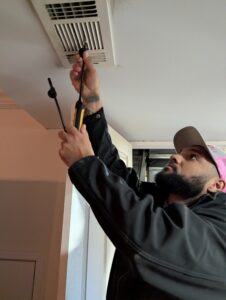
When airflow from your vents feels weak, uneven, or inconsistent, something isn’t functioning properly.
Common causes include clogged air filters, duct leaks, blower motor issues, or even a failing compressor.
In many Virginia homes, ductwork problems are a hidden contributor to airflow issues. Leaks in ducts can cause cooled or heated air to escape before reaching living spaces.
If certain rooms feel much warmer or colder than others, don’t ignore it. Uneven airflow is often an early indicator of system strain.
3. Rising Energy Bills Without Explanation
One of the most overlooked HVAC warning signs is a sudden spike in your energy bill.
If your usage habits haven’t changed but your electricity costs have increased, your system may be working harder than it should.
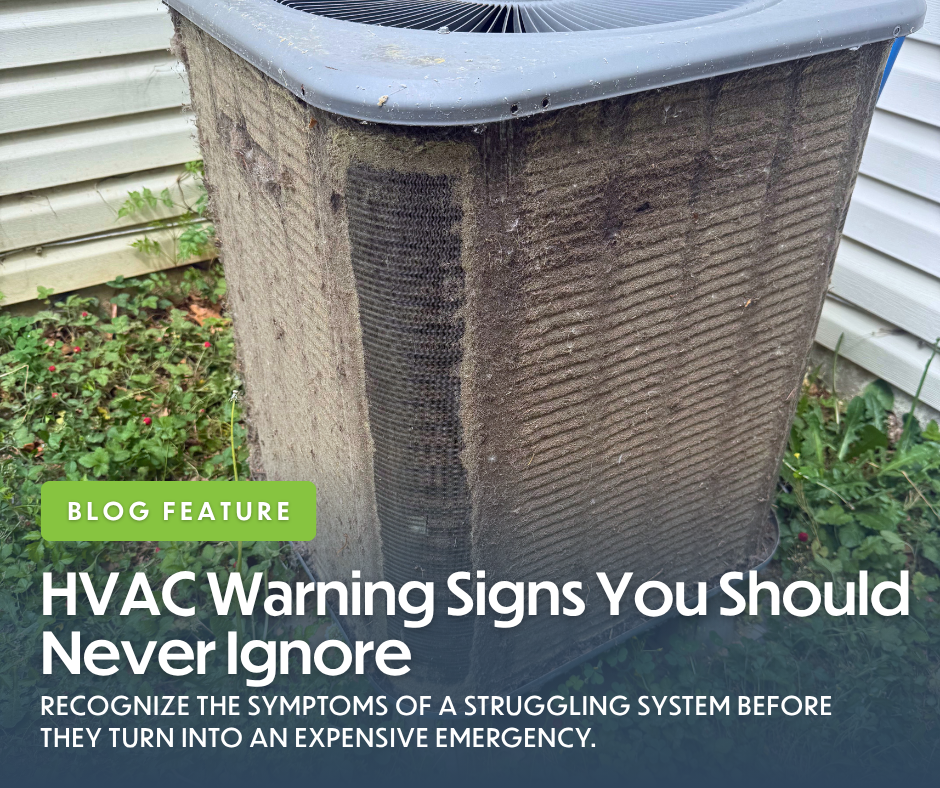
Dirty coils, low refrigerant, aging components, and airflow restrictions all reduce efficiency. That forces your HVAC system to run longer cycles, consuming more energy.
In Virginia’s long cooling season, even small inefficiencies can quickly drive up monthly utility costs.
4. Your AC Runs Constantly
Your air conditioner should cycle on and off throughout the day. If it seems to run nonstop, especially during moderate temperatures, it’s a sign of trouble.
Constant operation can indicate:
- Low refrigerant
- Improper system sizing
- Thermostat malfunction
- Compressor issues
- Dirty coils
Continuous runtime not only increases energy bills but also accelerates wear and tear on the system.
Ignoring this issue can lead to premature system failure.
5. Short Cycling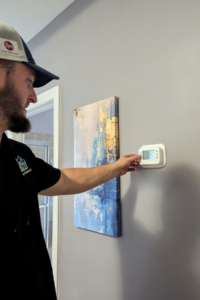
Short cycling is the opposite problem — when your HVAC system turns on and off rapidly without completing a full cooling or heating cycle.
This can happen due to electrical issues, thermostat problems, or an oversized unit.
Short cycling stresses internal components and reduces efficiency. It also prevents proper humidity control, which is especially important during Virginia’s humid summers.
If your system can’t maintain a steady cycle, it needs professional attention.
6. Warm Air When Cooling (or Cold Air When Heating)
If you switch your thermostat to “cool” and warm air blows from the vents, don’t assume it’s a minor glitch.
Warm air can indicate:
- Refrigerant leaks
- Compressor failure
- Thermostat miscommunication
- Electrical problems
Similarly, if your heating system blows cool air in winter, that’s a sign something isn’t functioning correctly.
Temperature inconsistencies are never normal.
7. Unpleasant Odors From Vents
Strange smells coming from your vents are another HVAC warning sign you shouldn’t ignore.
A musty odor may indicate mold growth in ductwork or evaporator coils. A burning smell could signal electrical problems. A strong chemical odor might point to refrigerant leaks.
These issues impact both system safety and indoor air quality.
If your home smells unusual when the system runs, it’s time to schedule service.
8. Excess Indoor Humidity
Your air conditioner doesn’t just cool — it also removes moisture from the air.
If your home feels sticky or humid even when the AC is running, your system may not be functioning properly.
High humidity levels can result from:
- Oversized equipment
- Low refrigerant
- Failing compressors
- Poor airflow
In Virginia, where humidity levels can be intense, proper moisture control is essential for comfort and air quality.
9. Frequent Repairs
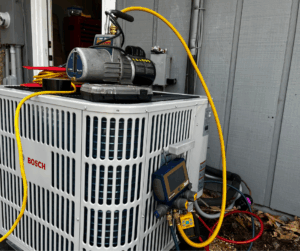
If you’ve had multiple service calls within a year, your HVAC system may be nearing the end of its lifespan.
Occasional repairs are normal. However, repeated breakdowns are often a sign that internal components are deteriorating.
Continuing to repair an aging system may cost more in the long run than planning for replacement.
10. Water Leaks Around the Unit
Puddles or moisture around your indoor unit can indicate a clogged condensate drain line or other drainage issues.
Left untreated, water leaks can cause:
- Mold growth
- Structural damage
- System shutdown
Drainage problems are usually straightforward to fix if caught early — but costly if ignored.
11. Your System Is 12–15+ Years Old 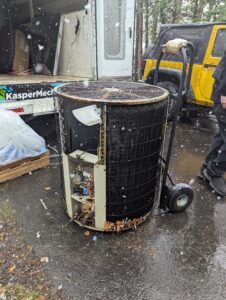
Age alone isn’t a failure, but it increases risk.
Most HVAC systems last between 10 and 15 years with proper maintenance. If yours is approaching or exceeding that range, warning signs become more serious.
Older systems are:
- Less energy efficient
- More prone to breakdowns
- Harder to repair (especially with outdated refrigerants)
If warning signs appear in an aging system, replacement may be worth discussing.
Why Ignoring HVAC Warning Signs Is Risky
Small issues rarely fix themselves.
In fact, minor problems often compound over time. A loose part can damage nearby components. Restricted airflow can strain the compressor. Electrical issues can escalate into safety hazards.
The longer a system runs inefficiently, the more expensive the repair becomes.
Catching issues early almost always costs less than emergency service during peak season.
Why This Matters in Virginia
Virginia homeowners rely heavily on HVAC systems for extended cooling seasons and humid summers.
When temperatures climb into the 90s, systems run almost continuously. That demand increases the likelihood of breakdown if warning signs are ignored.
Being proactive protects both comfort and investment.
When Should You Call a Professional? 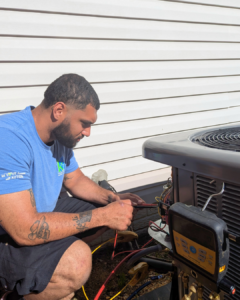
If you notice:
- Unusual noises
- Sudden energy bill spikes
- Warm air from vents
- Weak airflow
- Constant cycling
- Water leaks
- Strong odors
It’s time to schedule an inspection.
Even if the issue turns out to be minor, early evaluation prevents larger problems.
Protect Your Comfort Before It Becomes an Emergency
Your HVAC system gives warning signs before failing — but it’s up to you to act on them.
If you’re noticing any of these symptoms in your home, don’t wait until the system stops working entirely.
Kasper Mechanical Heating and Air Conditioning provides professional HVAC repair and inspections throughout Northern Virginia. Our experienced technicians can identify the issue, explain your options clearly, and restore your system to peak performance.
Contact us today to schedule service and keep your home comfortable all season long.