
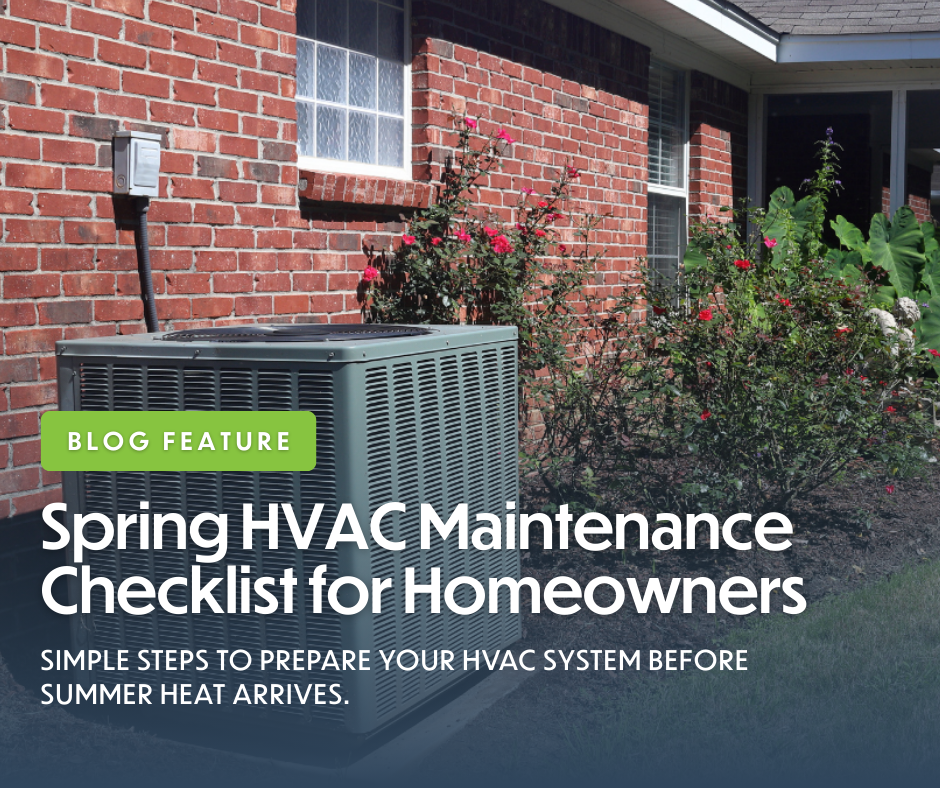
As winter fades and temperatures begin to rise, your HVAC system shifts from heating your home to keeping it cool and comfortable. Spring is the ideal time to make sure everything is operating efficiently before the Virginia heat and humidity arrive.
A proactive spring HVAC maintenance checklist helps prevent breakdowns, improve energy efficiency, and extend the life of your system. Whether you plan to handle a few basic steps yourself or schedule professional service, this guide will walk you through exactly what needs attention.
Why Spring HVAC Maintenance Matters
Spring HVAC maintenance is more than just a seasonal habit, it’s preventative care for one of the most important systems in your home.
Without proper maintenance, your system may:
- Struggle to cool your home evenly
- Use more energy than necessary
- Break down during peak summer heat
- Experience reduced lifespan
- Create poor indoor air quality
In hot and humid regions like Northern Virginia, air conditioners must remove both heat and moisture from the air. According to the U.S. Department of Energy and EPA guidance, humidity creates an additional “moisture load” that HVAC systems must remove during the cooling process, causing systems to run longer and work harder to maintain comfort. This makes seasonal HVAC maintenance especially important for local homeowners.
Complete Spring HVAC Maintenance Checklist
Below is a comprehensive spring HVAC maintenance checklist you can use to prepare your air conditioning system for warmer weather.
1. Replace or Clean Your Air Filter
This is the simplest, and most important, maintenance task.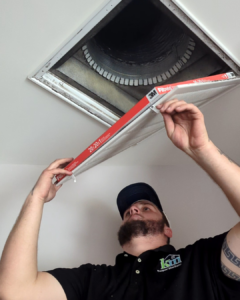
A dirty air filter restricts airflow, forcing your system to work harder. That leads to higher energy bills and unnecessary wear on components.
Checklist:
- Replace disposable filters every 1–3 months
- Clean reusable filters thoroughly
- Check for dust buildup around vents
If you have pets or allergy sensitivities, you may need more frequent filter changes.
2. Inspect and Clean Air Vents & Registers
Blocked or dirty vents reduce airflow and impact system performance.
What to do:
- Vacuum dust from supply and return vents
- Ensure furniture isn’t blocking airflow
- Confirm vents are fully open
Even small obstructions can cause uneven cooling throughout your home.
3. Check Your Thermostat Settings
Before temperatures climb, confirm your thermostat is set correctly for the cooling season.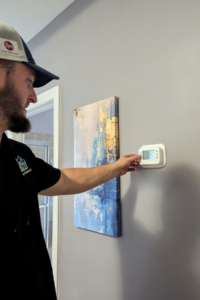
Spring checklist items:
- Switch from “heat” to “cool”
- Test the system by lowering the temperature
- Replace thermostat batteries if needed
- Consider upgrading to a programmable or smart thermostat
Proper thermostat programming can significantly reduce summer cooling costs.
4. Inspect the Outdoor Condenser Unit
Your outdoor unit likely collected debris during fall and winter.
Look for:
- Leaves and twigs around the base
- Dirt buildup on coils
- Overgrown shrubs restricting airflow
Keep at least 2 feet of clearance around the unit. Gently rinse coils with a garden hose (never use high pressure).
If you notice bent fins or heavy buildup, professional cleaning may be necessary.
5. Check for Unusual Sounds or Smells
When you turn your system on for the first time this season, pay attention.
Warning signs include:
- Grinding or squealing noises
- Rattling sounds
- Burning odors
- Musty smells from vents
These may indicate loose components, motor issues, electrical problems, or mold growth.
If anything sounds or smells off, schedule professional HVAC service immediately.
6. Inspect Drain Lines & Condensate Pan
Your air conditioner removes humidity from your home. That moisture drains through a condensate line.
Clogged drain lines can cause:
- Water leaks
- Mold growth
- System shutdowns
You can visually check for standing water around the indoor unit. A professional HVAC maintenance visit includes flushing the drain line to prevent clogs.
7. Examine Ductwork for Leaks or Damage
Leaky ducts reduce efficiency and waste cooled air.
Check for:
- Loose connections
- Visible gaps
- Dust buildup around seams
Professional duct sealing can improve comfort and reduce energy loss.
8. Test System Performance
Once everything looks clear, run your system for 10–15 minutes.
Pay attention to:
- How quickly the home cools
- Whether airflow feels strong
- Any unusual cycling (turning on and off frequently)
Short cycling or weak airflow often indicates underlying issues.
What’s Included in Professional Spring HVAC Maintenance?
While homeowners can handle basic steps, a professional HVAC maintenance checklist goes much deeper.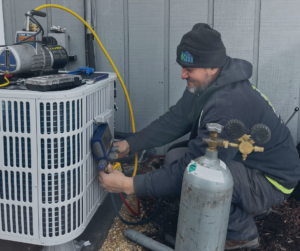
A licensed technician will typically:
- Inspect and clean evaporator and condenser coils
- Check refrigerant levels
- Test electrical connections
- Measure airflow and static pressure
- Lubricate moving parts
- Calibrate thermostat settings
- Flush condensate drain lines
- Inspect ductwork and insulation
- Identify worn components before failure
This type of detailed inspection helps prevent mid-summer breakdowns when HVAC companies are at peak demand.
How Often Should You Schedule Spring HVAC Maintenance?
Most manufacturers and energy-efficiency organizations recommend professional HVAC maintenance at least once per year — ideally before heavy cooling use begins.
For homeowners in Stafford, Fredericksburg, and Northern Virginia, early spring (March–April) is the ideal window. Scheduling early helps you:
- Avoid peak-season wait times
- Catch problems before summer heat waves
- Improve energy efficiency immediately
Homes with older systems or heavy usage may benefit from twice-yearly service.
Signs You Shouldn’t Wait for Maintenance
While spring is ideal, don’t delay service if you notice:
- Rising energy bills
- Uneven cooling
- Frequent repairs
- Excess humidity indoors
- AC running constantly
These symptoms suggest your system may already be struggling.
Benefits of Seasonal HVAC Maintenance
Following a spring HVAC maintenance checklist offers long-term benefits:
1. Lower Energy Bills
A well-maintained system runs more efficiently.
2. Fewer Emergency Repairs
Preventative maintenance identifies small issues early.
3. Longer System Lifespan
Routine servicing reduces wear and tear.
4. Improved Indoor Air Quality
Clean components mean cleaner air circulation.
5. Peace of Mind
You won’t be worrying about breakdowns during a 95-degree Virginia day.
Should You DIY or Call a Professional?
Homeowners can:
- Replace filters
- Clear debris
- Check thermostat settings
- Inspect vents
However, deeper inspections involving refrigerant, electrical components, and coil cleaning should always be handled by licensed professionals.
Improper servicing can void warranties and create safety risks.
Why Local Spring HVAC Maintenance Is Essential in Virginia
Virginia’s climate presents unique challenges:
- High humidity
- Rapid temperature swings
- Long cooling seasons
- Occasional pollen surges impacting filters
Because of these conditions, seasonal HVAC maintenance in Stafford, Fredericksburg, and surrounding areas isn’t optional — it’s preventative protection.
Final Spring HVAC Maintenance Checklist Summary
Before summer arrives, make sure you:
✔ Replace your air filter
✔ Clear debris from outdoor unit
✔ Check thermostat settings
✔ Inspect vents and airflow
✔ Watch for unusual sounds or smells
✔ Schedule professional maintenance
Taking these steps now helps protect your comfort all season long.
Schedule Your Spring HVAC Maintenance with Kasper Mechanical
If you want confidence heading into summer, professional service makes all the difference.
Kasper Mechanical Heating and Air Conditioning provides comprehensive HVAC maintenance in Stafford, Fredericksburg, and Northern Virginia. Our experienced technicians ensure your system is safe, efficient, and ready for warmer weather.
Whether you need a seasonal inspection or want to learn more about ongoing maintenance plans, scheduling early helps you avoid peak-season delays.
Contact us today to schedule your seasonal maintenance.