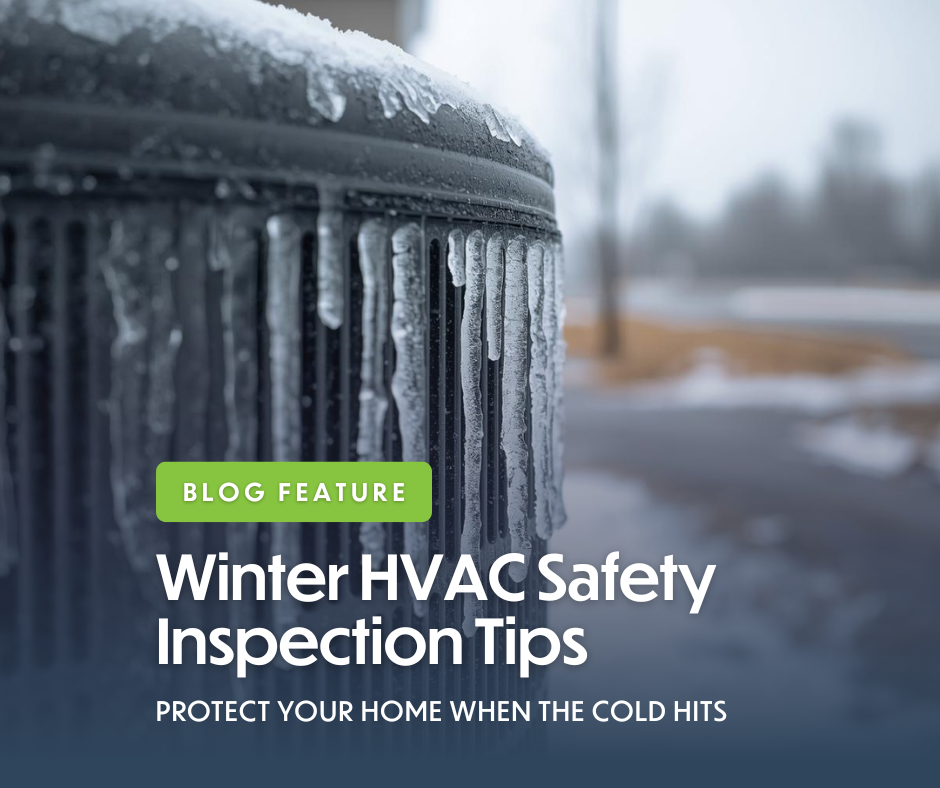
As temperatures give way to winter’s chill in Fredericksburg, Stafford, and Northern Virginia, your heating system quickly shifts from a convenience to an absolute necessity. Cold snaps in this region can be sudden and severe, and when the outdoor temperatures plummet, your furnace or heat pump must perform at peak reliability. But as winter demands rise, the tolerances of your HVAC equipment decrease. Components that performed adequately in mild weather may begin to struggle, small inefficiencies may become expensive problems, and hidden safety issues can turn into real hazards.
This is why winter HVAC safety inspections are one of the most important seasonal services for homeowners. A system that isn’t properly inspected and maintained isn’t just at risk for discomfort or higher bills—it can put your home and health at risk. Issues like carbon monoxide leaks, electrical malfunctions, and ventilation obstructions become more likely when equipment is under heavy winter load.
At Kasper Mechanical, we emphasize preventative care because it saves homeowners money, protects families, and keeps systems running the way they were designed to. A winter safety inspection is a crucial measure of protection that ensures your home stays warm, efficient, and safe through the coldest months of the year.
Why a Safety Inspection Is Non-Negotiable
Heating systems work hard during winter months, often running for long periods without rest. Over time, this creates stress on components, increases wear, and magnifies any existing weaknesses in your system. Even if your furnace or heat pump seems to be operating “normally,” unseen issues can be developing beneath the surface.
Industry studies consistently show that skipping winter HVAC maintenance can:
- Shorten system lifespan
- Reduce heating efficiency
- Increase the likelihood of mid-season breakdowns
- Lead to higher heating bills
- Increase safety risks
During winter, systems operate in harsher conditions and at higher workloads. That means problems that were minor during the fall can quickly worsen as temperatures drop. A cracked heat exchanger, for example, may begin as a small structural defect but can ultimately lead to carbon monoxide exposure if not caught early. A failing ignition system may start as an occasional hiccup but can turn into a full system shutdown on the coldest night of the year.
On top of system failures, poor efficiency is another hidden cost of skipping inspections. A furnace dealing with airflow restrictions, dirty components, or loose electrical connections requires more energy to produce the same heat. That translates into noticeably higher bills—especially when your system is running nearly nonstop in January and February.
By investing early in a winter safety inspection, you don’t just stay ahead of breakdowns—you prevent unsafe operating conditions and shield yourself from avoidable winter expenses.
What a Safety Inspection Covers
A professional winter-ready HVAC inspection is a detailed, step-by-step evaluation of your heating system’s performance, safety, and efficiency. At Kasper Mechanical, our licensed technicians take a comprehensive approach to ensure nothing is overlooked. A proper inspection is not a quick glance or a basic filter check—it is an in-depth process designed to prepare your system for months of nonstop winter operation.
Here’s what a full safety inspection typically includes:
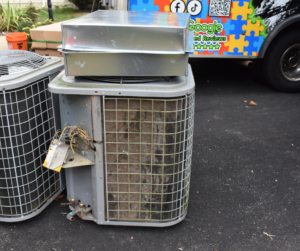
Visual Examination of Internal Components
Technicians inspect key furnace or heat pump components for:
- Wear and tear
- Corrosion
- Cracks in the heat exchanger
- Burner or ignition issues
- Excessive dirt or soot buildup
These early signs of degradation can quickly escalate when the system is under winter stress.
Electrical and Safety Control Testing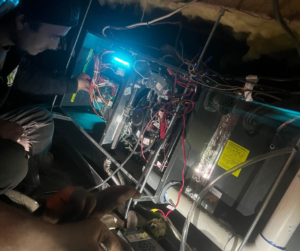
Electrical failures are one of the most common causes of winter breakdowns. During inspection, technicians verify:
- Wiring integrity
- Electrical connections
- Safety switches
- Limit controls
- Sensor accuracy
This ensures the system can operate reliably without unsafe temperature spikes or electrical hazards.
Air Filter Evaluation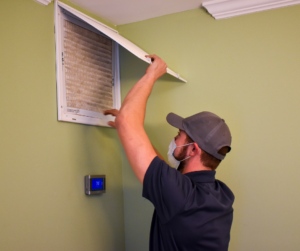
Technicians check:
- Filter cleanliness
- Proper sizing
- Airflow levels
- Replacement needs
A dirty filter alone can raise energy bills, restrict heat output, and cause the system to overwork.
Ductwork Inspection
Duct issues often hide in attics, crawlspaces, and interior walls. During inspection, technicians look for:
- Disconnected ducts
- Air leaks
- Poor insulation
- Blocked or crushed sectionsLeaky ducts can waste up to 30% of your heated air—making your home feel colder and your bills climb higher.
Thermostat and Control Calibration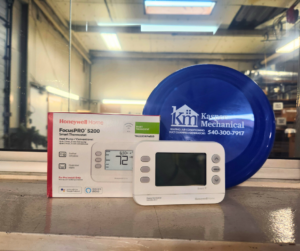
Your thermostat directs the entire heating system. If it’s miscalibrated, the system can:
- Short cycle
- Run too long
- Struggle to maintain set temperatures
A calibrated thermostat ensures consistency, comfort, and efficiency.
Outdoor Unit Inspection (for Heat Pumps)
Technicians check that: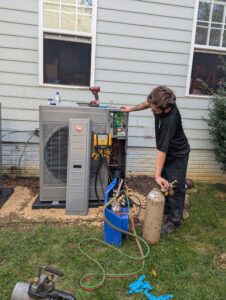
- Outdoor coils are clean
- Debris is cleared
- Defrost cycles function properly
- Components aren’t damaged by cold or frost
This ensures your heat pump can effectively extract heat even in freezing conditions.
Carbon Monoxide and Venting Safety Checks
For gas-fired systems, this step is essential. Technicians verify:
- Proper exhaust flow
- No vent blockages
- Safe combustion levels
- No CO leakage
Carbon monoxide is odorless and extremely dangerous. A safety inspection ensures your system is ventilating correctly and operating safely.
This thorough inspection equips your heating system for the season ahead and gives you peace of mind knowing everything is functioning safely and efficiently.
5 Pre-Winter Actions You Can Do Yourself
You don’t have to wait for your appointment to begin preparing your home for winter. Before temperatures drop further, take these simple steps to help your system run more effectively.
1. Replace or Clean Your Filters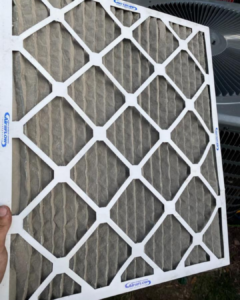
Dirty filters cause more HVAC issues than almost anything else. Restricted airflow puts strain on your system, decreases heat output, and increases energy consumption.
2. Clear the Area Around Your Furnace or Outdoor Unit
Remove:
- Debris
- Clutter
- Stored items
- Anything flammable
Heat pumps require at least a few feet of clearance around outdoor units to operate properly. Furnaces need space for airflow and safety.
3. Review Thermostat Settings
Make sure:
- The thermostat is set to HEAT
- Temperature settings match your comfort level
- The system isn’t stuck in fan-only mode
- Schedules are accurate
A malfunctioning or incorrectly set thermostat is a common reason homeowners think their furnace “isn’t working.”
4. Inspect Vents and Registers
Blocked vents cause uneven heating and force your system to work harder. Ensure vents are:
- Open
- Clear
- Not blocked by furniture, curtains, or rugs
This helps maintain balanced airflow throughout your home.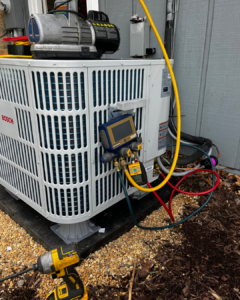
5. Schedule Your Winter Inspection Early
Late fall is the best time for professional service. Waiting until winter weather hits may mean:
- Delays due to high demand
- Longer wait times for emergencies
- Higher chances of mid-season breakdowns
An early appointment ensures your system is prepared before temperatures drop significantly.
Hidden Risks of Skipping Inspection
While skipping an HVAC inspection may seem harmless, the risks often remain invisible until they become serious problems. Here are the most common consequences of neglecting winter maintenance:
Higher Heating Bills
Small inefficiencies—dirty burners, clogged filters, leaky ducts—force your system to work harder and run longer. Over an entire winter, this can significantly increase monthly energy costs.
Uneven Heating and Cold Spots
When airflow is compromised or components are weakening, some rooms may remain cold while others overheat. This imbalance strains your system and reduces comfort.
Safety Hazards
Gas furnaces with cracked heat exchangers or blocked exhaust vents can leak carbon monoxide, creating a silent but dangerous threat. Electrical issues can also lead to overheating or system failure.
Shorter System Lifespan
A neglected system wears out faster. Regular maintenance slows deterioration and extends the life of your heating equipment—delaying the significant cost of replacement.
Why Kasper Mechanical?
At Kasper Mechanical, your home’s safety, comfort, and efficiency come first. We don’t treat HVAC maintenance as a checkbox service—we treat it as a responsibility. Our licensed technicians are trained to identify potential issues early, provide honest recommendations, and perform detailed inspections without rushing or cutting corners.
Homeowners throughout Fredericksburg, Stafford, and Northern Virginia trust us because we deliver:
- Clear communication
- Transparent findings
- Reliable repairs and recommendations
- Priority scheduling for our Customer Care Club members
- Long-term heating solutions, not temporary fixes
Whether you have a furnace, boiler, or heat pump, our team ensures your system is winter-ready and safe for your family.
Don’t wait until a freezing night to discover your heating system isn’t ready. Schedule your winter HVAC safety inspection now with Kasper Mechanical and enjoy peace of mind knowing your home is protected, efficient, and comfortable all winter long.
📞 540-300-7917
We’re here to make sure your winter season starts—and stays—warm and worry-free. Contact Kasper Mechanical today.