
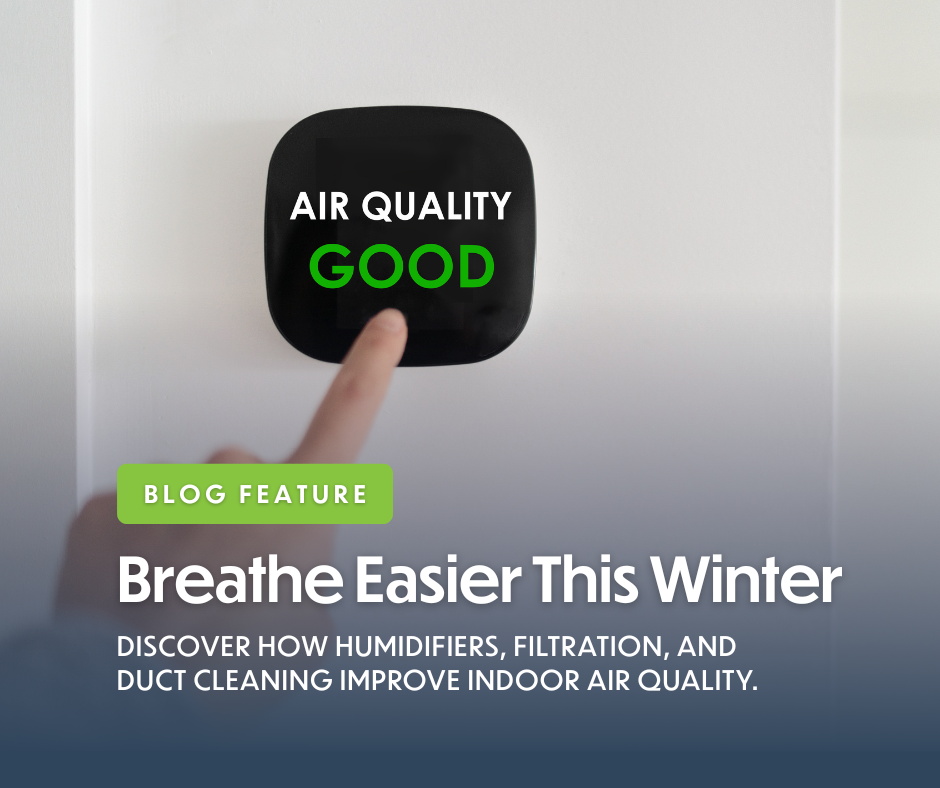
Winter in Fredericksburg, Stafford, and Northern Virginia brings cold temperatures, shorter days, and more time spent indoors. While we work hard to keep warm, another issue often goes unnoticed: indoor air quality (IAQ). When windows stay shut and heating systems run around the clock, dust, allergens, and airborne contaminants accumulate quickly. As airflow decreases, the air inside your home becomes stale, dry, and harder for your HVAC system to filter effectively.
At Kasper Mechanical, we understand how dramatically winter conditions affect indoor air quality. Between dry air from constant heating, trapped pollutants, and reduced ventilation, many homeowners experience discomfort without realizing their IAQ is the cause. Fortunately, with the right strategies and HVAC support, you can improve air quality, protect your family’s health, and keep your home environment fresh throughout the winter months.
This comprehensive guide covers why indoor air quality suffers in winter, the most common IAQ problems homeowners face, and detailed solutions to improve air quality, reduce allergens, and support your HVAC system’s performance all season long.
 Why Indoor Air Quality Declines During Winter
Winter is the most challenging season for maintaining healthy indoor air quality. This is especially true in Fredericksburg, Stafford, and Northern Virginia, where winter weather often keeps families indoors for extended periods. Several environmental and HVAC-related factors contribute to declining air quality during the colder months.
1. Reduced Ventilation
When it’s cold outside, homeowners naturally keep windows and doors tightly sealed. While this preserves heat, it also prevents fresh air from entering the home. Without proper ventilation, airborne pollutants remain trapped and accumulate over time.
2. Continuous Heating Cycles
Your furnace or heat pump works nonstop in the winter, circulating air throughout your home. Even though the HVAC system helps control temperature, it can also spread dust, allergens, and contaminants if filters and ducts are not maintained.
3. Buildup of Indoor Pollutants
Everyday activities contribute to indoor pollutants, including:
- Cooking
- Cleaning chemicals
- Pet dander
- Dust mites
- Mold spores
- Hair and fibers
- VOCs from candles, paint, or household products
With less fresh air entering the home, these pollutants linger in the air you breathe.
4. Increased Time Indoors
More time inside during colder weather means more exposure to indoor allergens and irritants. Poor indoor air quality can exacerbate respiratory issues, allergies, asthma, headaches, fatigue, and dry skin.
5. Dryer Air Conditions
Heat dries out indoor air, reducing humidity dramatically. This causes irritation of the skin, nose, throat, and sinuses, and it makes airborne dust circulate more easily.
Understanding these factors helps homeowners take proactive steps to improve air quality—and create a healthier living environment from December through early spring.
 Why Indoor Air Quality Matters During Winter
Many people associate IAQ issues with spring allergies or summer humidity, but winter air quality problems can be even more severe. Maintaining clean, healthy indoor air is essential for comfort, health, and efficient HVAC performance.
Poor indoor air quality can lead to:
✔ Increased Allergy and Asthma Symptoms
Dust, pollen, mold spores, and pet dander accumulate quickly and circulate throughout the home. With windows closed, these particles have nowhere to escape.
✔ Dry Skin, Irritation, and Disrupted Sleep
Low humidity contributes to:
- Dry, flaky skin
- Sore throats
- Sinus irritation
- Nosebleeds
- Sleep discomfort
Proper humidity levels are essential for winter comfort.
✔ Reduced HVAC Efficiency
Dust buildup forces your HVAC system to:
- Work harder
- Consume more energy
- Cycle more frequently
This increases heating costs and shortens the system’s lifespan.
✔ Higher Risk of Carbon Monoxide and Combustion Issues
Gas furnaces must be properly vented and maintained. Poor IAQ can indicate ventilation blockages or unsafe operating conditions.
✔ Increased Likelihood of Mold Growth
Although winter air is dry, basements, bathrooms, crawlspaces, and areas with poor insulation can still develop moisture and mold problems.
Indoor air quality affects everything—from your health to energy bills—which is why homeowners need a winter IAQ plan.
 Common Winter Indoor Air Quality Problems and How to Fix Them
Different IAQ problems require different solutions. Below are the most common winter air quality challenges and the steps you can take to improve your home’s environment.
1. Dry Indoor Air
Why it happens:
Cold air naturally holds less moisture, and heating systems dry it even further.
Symptoms:
- Scratchy throat
- Dry skin
- Static electricity
- Sinus irritation
- Cracked wood floors or furniture
Solution: Increase indoor humidity.
- Install a whole-home humidifier connected to your HVAC system.
- Use portable humidifiers in high-traffic rooms.
- Aim for 35–50% indoor humidity for optimal comfort and health.
Humidifiers not only improve air quality but also help your home feel warmer, reducing the need for excessive heating.
2. Dust, Allergens, and Airborne Particles
Why it happens:
Closed windows and constant heating trap allergens inside your home.
Symptoms:
- Sneezing
- Itchy eyes
- Dust accumulation
- Difficulty breathing
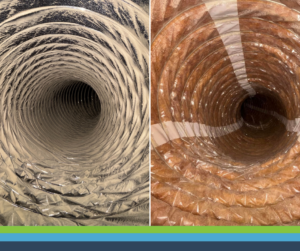
Solution: Improve filtration and schedule duct cleaning.
- Replace HVAC filters every 1–3 months.
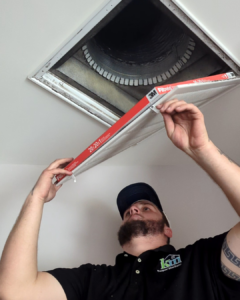
- Upgrade to high-efficiency filters (MERV 11–16) if compatible with your system.
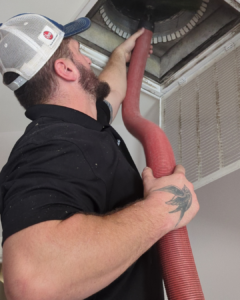
- Schedule professional duct cleaning to remove dust buildup.
- Seal duct leaks to prevent contaminants from circulating.
Research shows that duct cleaning can reduce airborne particulates and bio-aerosols—helping greatly with winter IAQ.
3. Stale or Stuffy Air
Why it happens:
Without proper ventilation, air becomes stagnant.
Symptoms:
- Rooms feel stuffy
- Lingering odors
- Headaches or fatigue
Solution: Increase air circulation and add purification.
- Run your HVAC fan periodically to move air through the filter.
- Crack open a window for 5–10 minutes on milder days.
- Install an air scrubber or UV light purification system.
Air purifiers neutralize bacteria, mold spores, viruses, and allergens—ideal for winter when air is trapped indoors.
4. Combustion Byproducts (Gas Furnaces Only)
Why it happens:
Improper venting or malfunctioning gas furnaces can produce:
- Carbon monoxide (CO)
- Nitrogen dioxide
- Formaldehyde
Symptoms:
- Soot around vents
- Pilot light issues
- Headaches or nausea
- Furnace odors
Solution: Improve furnace safety and ventilation.
- Schedule an annual furnace safety inspection.
- Install carbon monoxide detectors on each level of your home.
- Ensure all vents and intakes are clear of snow, ice, or debris.
A properly vented furnace is essential for both air quality and family safety.
5. Moisture, Condensation, or Mold Growth
Why it happens:
Certain areas still collect moisture in winter, especially basements, laundry rooms, and kitchens.
Symptoms:
- Musty smells
- Condensation on windows
- Mold spots
- Visible water damage
Solution: Control moisture and improve air movement.
- Use a dehumidifier in damp areas.
- Improve airflow with fans or open interior doors.
- Address insulation issues that cause cold surfaces.
- Use humidity monitors to control levels across your home.
Managing humidity properly prevents mold and improves your winter IAQ significantly.
 Winter Indoor Air Quality Improvement Plan (Step-by-Step)
To maintain clean, healthy air all winter long, homeowners in Fredericksburg, Stafford, and Northern Virginia should follow a structured IAQ plan:
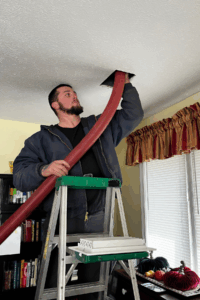
1. Schedule Professional Duct Cleaning
Clean ducts reduce dust, allergens, and bio-contaminants.
For best results:
- Clean ducts every 3–5 years, or sooner with pets/allergies.
- Pair duct cleaning with duct sealing to prevent leakage.
2. Install or Maintain Air Purification Systems
Air purifiers make a major difference in winter air quality.
Options include:
- UV-C light systems
- Whole-home air scrubbers
- High-MERV filtration upgrades
- Electronic air cleaners
These systems remove contaminants your standard filter cannot.
3. Maintain Proper Humidity Levels
Humidity between 35–50% supports comfort and health.
Winter IAQ may require:
- Whole-home humidifier installation
- Portable units in problem areas
- Regular maintenance of existing humidifiers
 4. Replace HVAC Filters Frequently
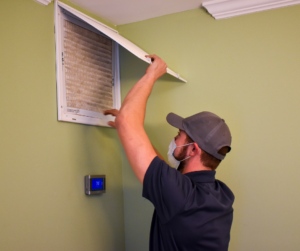
Dirty filters are one of the biggest contributors to poor winter IAQ.
Replace filters:
- Every 30–60 days with pets
- Every 90 days in low-use conditions
- More frequently if allergies are present
5. Improve Air Circulation
Good airflow improves filtration and prevents stale air.
Try:
- Running your HVAC fan on “circulate”
- Opening interior doors
- Using vent boosters in underperforming rooms
6. Keep Vents & Fresh-Air Intakes Clear
Outdoor vents can become blocked by:
- Snow
- Ice
- Leaves
- Storm debris
Blocked vents reduce airflow and can create safety hazards for gas furnaces.
Why Homeowners Trust Kasper Mechanical for Winter IAQ Solutions
At Kasper Mechanical, we view indoor air quality as a critical part of home comfort. Our HVAC experts understand the winter climate of Fredericksburg, Stafford, and Northern Virginia and how it affects air quality inside local homes.
Our IAQ services include:
- Professional duct cleaning
- Air scrubber and UV light installation
- Humidifier and dehumidifier solutions
- High-efficiency filtration upgrades
- Carbon monoxide safety checks
- Whole-home IAQ assessments
- Heat pump and furnace maintenance
- Vent and ductwork inspections
We take a whole-home approach—ensuring your heating, ductwork, ventilation, and filtration work together to provide clean, healthy air during the coldest months of the year.
 Breathe Easier This Winter—Schedule Your IAQ Service Today
Winter shouldn’t leave your home feeling dry, dusty, or uncomfortable. With the right HVAC maintenance and indoor air quality solutions, you can enjoy cleaner, fresher air all season long.
Don’t wait for winter allergies or discomfort to strike. Contact Kasper Mechanical.
Call Kasper Mechanical at 540-300-7917 to schedule duct cleaning, an IAQ assessment, or humidifier installation today.