
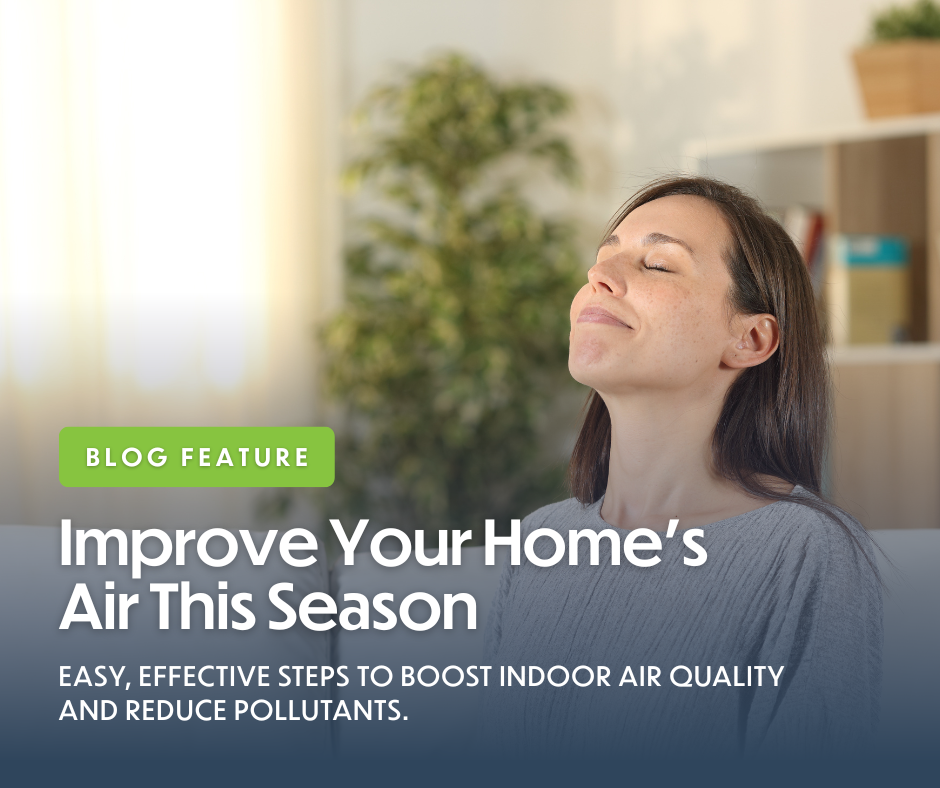
Most homeowners think about comfort in terms of temperature—how warm or cool the house feels. But the truth is that comfort depends just as much on the quality of the air you’re breathing. Many households in Fredericksburg, Stafford, and Northern Virginia are tightly sealed for energy efficiency, which means pollutants, allergens, and humidity imbalances can accumulate quickly.
Indoor air quality (IAQ) affects everything: your health, your HVAC system’s lifespan, your home’s energy efficiency, and even how well you sleep at night. If your air is dusty, stale, overly dry, or polluted, you will feel the impact—even if you don’t immediately realize that IAQ is the cause.
In this in-depth guide, we’ll break down why indoor air quality is essential, the hidden costs of poor IAQ, and the most effective strategies for improving the air inside your home. Whether you’re dealing with allergies, dry winter air, mold concerns, or an HVAC system that’s working harder than it should, improving IAQ will make a significant difference.
The Hidden Cost of Poor Indoor Air Quality
Poor IAQ isn’t just uncomfortable—it can also become expensive and even hazardous. When your home’s air is filled with contaminants, dust, or excessive moisture, you may notice effects that go far beyond irritation or occasional sneezing.
Here are some of the most common problems caused by poor indoor air quality:
1. Increased Allergies & Respiratory Irritation
Dust, mold spores, pollen, pet dander, and airborne particles often accumulate in ductwork and recirculate through the home. When your HVAC system runs, it distributes these allergens into every room.

Poor IAQ can cause:
- Congestion
- Coughing
- Sneezing
- Itchy eyes
- Worsened asthma symptoms
- Headaches
Because winter means closed windows and continuous heating, contaminants have nowhere to escape.
2. Poor Sleep Quality
Indoor air that is too dry, too dusty, or too humid can disrupt breathing while you sleep.
Common signs include:
- Snoring
- Dry throat
- Waking up congested
- Nighttime coughing
Humidity imbalance is a particularly common cause of sleep discomfort during winter months.
3. Shortened HVAC System Lifespan
Your furnace or AC depends on clean air and proper airflow. When ducts are dirty, filters are clogged, or contaminants accumulate inside the HVAC system, the equipment has to work harder to heat or cool your home.
Over time, this strain can lead to:
- High repair costs
- Overheating
- Blower motor damage
- Premature system failure
Even a small airflow blockage can force your system to run longer and less efficiently.
4. Higher Energy Bills
Dust, dirt, and moisture issues reduce HVAC efficiency significantly.
Restricted airflow forces your system to:
- Run more often
- Use more energy
- Struggle to reach set temperatures
Studies show that dirty ductwork can reduce airflow and efficiency by 10–30%, and clogged filters can increase energy usage by up to 15%.
5. Increased Mold & Moisture Problems
 Humidity imbalances—either too high or too low—create ideal environments for mold, viruses, and bacteria to spread.
High humidity leads to:
- Condensation
- Mold growth
- Musty odors
- Damage to drywall or flooring
Low humidity contributes to:
- Dry skin
- Static electricity
- Irritated sinuses
- Cracked wood furniture and floors
Managing humidity is one of the most important elements of IAQ.
Research Supports Duct Cleaning & Purification
Studies show that duct cleaning can reduce airborne particulates and bioaerosol concentrations, supporting overall IAQ improvement. Clean ducts combined with advanced purification technology can dramatically reduce pollutants lingering inside the home.
Key Components of Great Indoor Air Quality
Improving indoor air quality isn’t a one-size-fits-all solution. Instead, it involves multiple systems working together to balance humidity, airflow, purification, and filtration. Below are the most important components for maintaining clean, healthy air in your home.
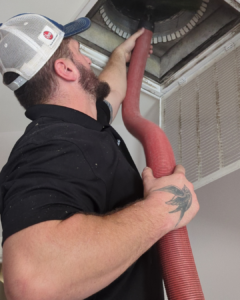 1. Duct Cleaning & Duct Sealing
Your ductwork acts as the airflow highway of your home. Over time, dust, dirt, pet dander, and debris accumulate in the ducts and circulate into your living spaces.
Professional duct cleaning helps remove:
- Mold spores
- Bacteria
- Pet hair
- Dust mites
- Pollen
- Construction debris
Duct sealing is equally important. Leaky ducts waste conditioned air, reduce system efficiency, and allow contaminants from attics, basements, or crawlspaces to enter the airflow stream.
Clean, sealed ducts:
- Improve airflow
- Reduce allergies
- Boost HVAC efficiency
- Lower monthly utility bills
2. Air Purification Systems
Air purifiers work alongside your HVAC system to remove microscopic particles that standard filters cannot capture.
Popular purification options include:
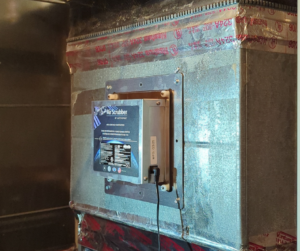
- Whole-home air scrubbers
- UV-C light modules (kills bacteria, mold spores, and viruses)
- Electronic air cleaners
- Activated carbon filtration for VOCs and odors
- High-efficiency media filters
These systems operate continuously, treating air as it passes through your HVAC system and helping maintain a cleaner, healthier home environment—especially during winter when airflow is limited.
3. Humidity Control
Balanced humidity is essential to comfort, health, and HVAC performance.
Whole-home humidifiers add moisture into dry winter air, helping with:
- Dry skin
- Nose and throat irritation
- Cracked wood floors
- Static electricity
Dehumidifiers are essential for:
- Basements
- Bathrooms
- Laundry rooms
- Crawlspaces
- Moisture-prone areas
Maintaining humidity between:
- 35–50% in winter
- Below 60% in summer
…helps prevent mold growth, bacteria spread, and winter discomfort.
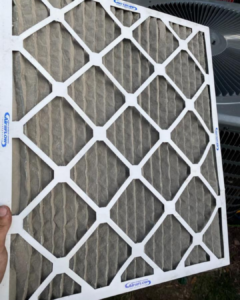 4. High-Quality HVAC Filters & Regular Replacement
Filters are your home’s first line of defense against airborne particles.
High-quality filters help remove:
- Dust
Pollen - Pet dander
- Smoke
- Bacteria
- Mold spores
Replace filters every:
- 30 days with pets
- 60–90 days for average homes
- More often if someone has allergies
Upgrading to a high-MERV filter (if compatible with your HVAC system) can significantly improve IAQ.
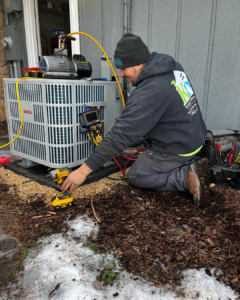 How Indoor Air Quality Impacts Your HVAC System
Even the most advanced or recently installed HVAC system cannot operate efficiently with poor indoor air quality.
Here’s how indoor air quality problems affect your heating and cooling system:
✔ Reduced Airflow
Dust, debris, and clogged filters make air harder to move. This forces the system to run longer, increasing energy costs.
✔ Overworked Components
Motors, fans, and compressors strain under poor airflow conditions, leading to premature failure.
✔ Increased Repairs
Poor IAQ often causes:
- Blower motor issues
- Capacitor failure
- Coil contamination
- Dirty burners (gas furnaces)
✔ Lower Heating & Cooling Efficiency
Leaky ducts and clogged filters can reduce efficiency by 10–30%, increasing energy usage and utility bills.
✔ Shortened System Lifespan
When a system is constantly overworked, it will fail years earlier than expected.
Improving IAQ is one of the most cost-effective ways to extend the life of your HVAC system.
5 Steps to Improve Indoor Air Quality in Your Home
You don’t need a complete HVAC overhaul to make your home’s air cleaner. These five steps provide a simple, effective strategy for improving IAQ year-round.
1. Schedule a Duct Inspection & Cleaning
Have your ductwork professionally cleaned every 3–5 years, or sooner if you have:
- Pets
- Allergies
- Large households
- Renovation dust
- Older homes
Clean ducts support stronger airflow and reduce the spread of contaminants.
2. Install a Whole-Home Air Purification System
Air scrubbers, UV systems, and advanced filtration remove particles that standard filters miss.
This improves:
- Allergies
- Odors
- Bacteria and virus levels
- Overall IAQ
3. Replace Filters Regularly
This is the easiest and most affordable IAQ improvement.
Set reminders to replace filters every:
- 1–3 months depending on use
- More frequently with pets or allergies
4. Control Humidity Levels
Keep humidity between:
- 35–50% in winter
- Below 60% in summer
Use:
- Whole-home humidifiers
- Dehumidifiers
- Room-specific moisture control if necessary
5. Use Your Thermostat’s Fan Setting
Running the HVAC fan periodically:
- Circulates fresh air
- Reduces stagnant air pockets
- Improves filtration
- Enhances comfort
This simple step can dramatically improve IAQ during winter when windows remain closed.
 Why Homeowners Choose Kasper Mechanical for IAQ Solutions
Kasper Mechanical is trusted throughout Fredericksburg, Stafford, Spotsylvania, King George, and Northern Virginia for expert indoor air quality services. We take a full-system approach that addresses the root of IAQ issues—not just the symptoms.
When you call our team, we provide:
- Comprehensive duct inspections and cleaning
- Professional duct repair and installation
- Whole-home purification system installation
- Humidifier and dehumidifier solutions
- High-efficiency filtration upgrades
- Humidity and airflow diagnostics
- Expert HVAC maintenance to support long-term indoor air quality
We prioritize your comfort, safety, and long-term system health—ensuring your home’s air is fresh, clean, and supported by efficient HVAC performance.
Improve Your Indoor Air Quality Today
Don’t let poor IAQ affect your comfort, your health, or your HVAC system. A cleaner, healthier home starts with a professional indoor air quality evaluation.
📞 Call Kasper Mechanical today at 540-300-7917
to schedule duct cleaning, an IAQ consultation, or an air purification system installation.
Breathe cleaner. Live healthier. Feel the difference.