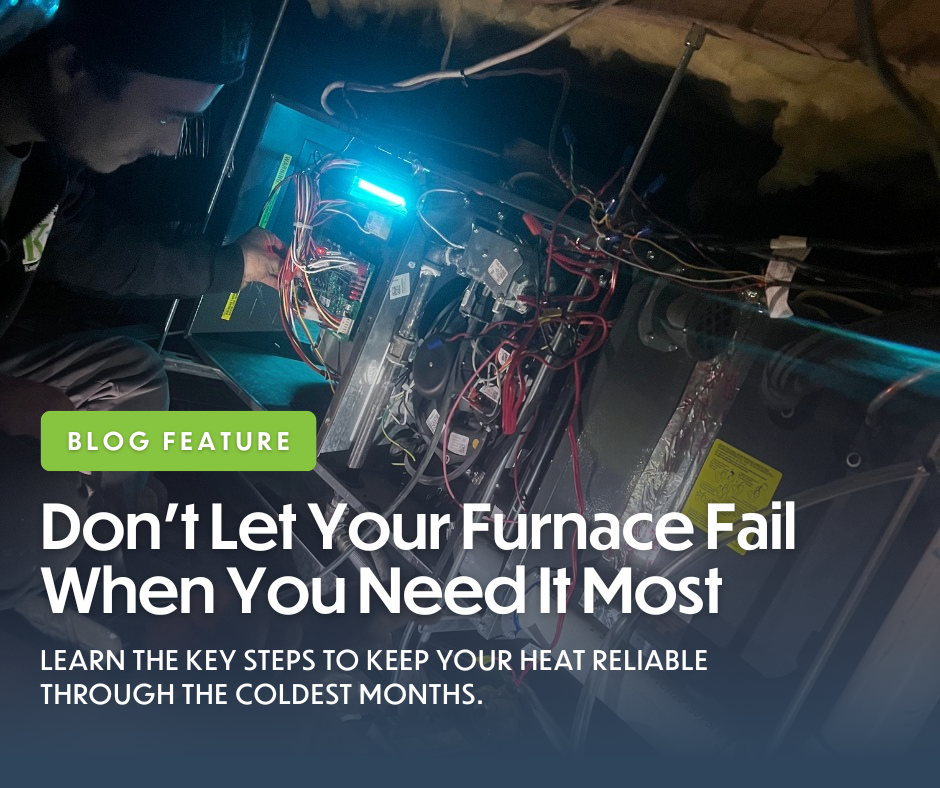
Winter in Fredericksburg, Stafford, and Northern Virginia brings freezing temperatures, icy conditions, and a heavy reliance on your home’s heating system. When temperatures drop, your furnace becomes more than just a comfort—it becomes a necessity. But as your system works overtime to keep your home warm, the risk of furnace breakdowns increases significantly.
A furnace failure in the middle of winter is not only inconvenient—it can be dangerous, especially during cold snaps when temperatures plummet rapidly. Heaters, heat pumps, and gas furnaces are all vulnerable if they haven’t been properly maintained. The good news? Most winter furnace breakdowns are preventable with the right combination of proactive care, seasonal HVAC maintenance, and early attention to warning signs.
This comprehensive guide explains why winter is the highest-risk season for furnace issues, the top warning signs your furnace may be headed toward failure, and the maintenance steps every homeowner should take to maximize heating performance and minimize costly repairs. Whether you rely on a traditional furnace, hybrid heating system, or heat pump, these tips will help keep your home comfortable and your heating system running safely all season long.
Why Winter Puts Your Furnace at the Highest Risk for Breakdowns
Cold weather places enormous stress on heating systems. During the summer, your furnace sits idle. Once temperatures drop, it suddenly has to operate nonstop—often for hours at a time—placing a heavy demand on components that may not have been used in months.
Here’s why furnace failures spike in winter throughout Fredericksburg, Stafford, and Northern Virginia:
1. Longer Run Times Lead to Component Wear
When temperatures stay low, your heating system cycles more frequently. Motors, belts, igniters, burners, and sensors experience constant use, increasing the likelihood of wear and tear.
2. Lack of Pre-Season Maintenance
Many homeowners skip fall HVAC maintenance, assuming the system will work “like it did last year.” Unfortunately, small issues that go unnoticed in the off-season become big problems when cold weather hits.
 3. Dirty Filters and Airflow Blockages
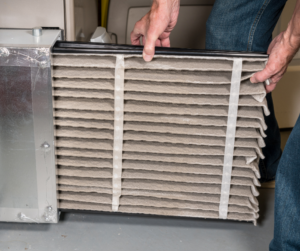
Airflow is crucial for furnace efficiency and safety. A clogged filter causes the furnace to overheat, strain the blower motor, and run longer than necessary—all of which contribute to breakdowns.
4. Duct Problems Become More Noticeable
Leaks, clogs, or poorly insulated ductwork waste heat and force the furnace to run harder. Winter exposes these inefficiencies quickly.
5. Ignition and Burner Problems in Gas Furnaces
Cold weather can affect the performance of ignition systems, flame sensors, gas valves, and burners—especially in older units.
6. Heat Pumps Face Extra Challenges
For homes using heat pumps, outdoor coils may freeze, airflow can become restricted by ice and debris, and emergency heat usage skyrockets energy bills when the system isn’t operating efficiently.
In short, winter creates the perfect storm for furnace failure—but simple preventative steps can dramatically reduce your risk.
Warning Signs Your Furnace Is About to Break Down
Recognizing early symptoms of furnace trouble can prevent major repairs or complete system failure. If you notice any of the following warning signs, your furnace may already be in distress:
1. Furnace Blows Cold Air or Inconsistent Heat
If your furnace turns on but only produces cool or lukewarm air, this could indicate:
- A failing ignition system
- Low refrigerant (for heat pumps)
- A clogged filter
- A malfunctioning heat exchanger
- Thermostat issues
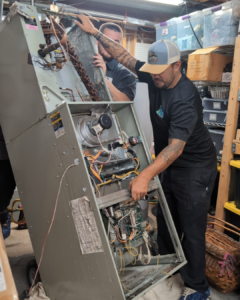 2. Strange Noises: Banging, Rattling, Squealing, or Grinding
Unusual noises are one of the most reliable indicators of a mechanical problem.
Common causes include:
- Loose or damaged blower motor components
- Worn belts
- Ignition delays
- Airflow blockages
- Cracked heat exchanger (a serious safety hazard)
Any unfamiliar sound from your furnace should be evaluated immediately.
3. Rising Heating Bills Without Increased Usage
If your energy bills spike unexpectedly, your heating system is likely overworking due to:
- Dirty filters
- Duct leaks
- Poor airflow
- Failing components
- Inefficient thermostat operation
High bills are often a symptom of inefficiency—and inefficiency leads to breakdowns.
4. Uneven Heating or Cold Spots in Certain Rooms
If only parts of your home warm up, the underlying issue might be:
- Duct problems
- Failing blower motor
- Improper furnace sizing
- Blocked vents
- Thermostat placement issues
Uneven heating shouldn’t be ignored—it often signals that the furnace is struggling.
5. Pilot Light Problems (Gas Furnaces Only)
A pilot light that:
- Flickers
- Turns yellow
- Goes out repeatedly
…could indicate ventilation issues, carbon monoxide risk, or burner malfunctions.
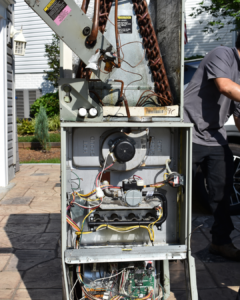 6. Frequent On-and-Off Cycling
Short cycling is a serious red flag. Possible causes include:
- Overheating
- Failed limit switch
- Clogged filter
- Thermostat malfunction
Left unresolved, short cycling can destroy your furnace prematurely.
If you observe any of these symptoms, it’s time to schedule HVAC service before the issue worsens.
The Ultimate Winter Furnace Maintenance Checklist
A well-maintained furnace is far less likely to fail during winter. Here is a complete maintenance checklist to help ensure your heating system runs smoothly:
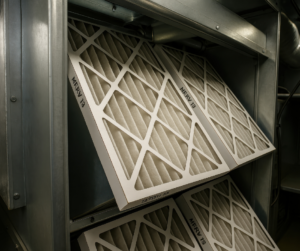 1. Replace Your Air Filters Regularly
One of the simplest—and most important—steps is replacing your HVAC filter every 1–3 months.
Clean filters ensure:
- Proper airflow
- Lower energy usage
- Prevented overheating
- Improved indoor air quality
Homes with pets or allergies may need more frequent replacements.
2. Inspect and Seal Your Ductwork
Leaky ducts allow warm air to escape, causing the furnace to work harder.
Have ducts checked for:
- Holes
- Loose connections
- Insulation gaps
- Blockages
Sealing ducts can improve heating efficiency by up to 30%.
3. Lubricate and Inspect Moving Parts
Furnace motors, blower components, and belts should be lubricated and checked for wear.
Ignoring these components leads to:
- Loud noise
- Burned-out motors
- Complete system failure
4. Check Ignition, Flame Sensors & Burners (Gas Furnaces)
Gas heating systems depend on clean and functional ignition and combustion components.
Winter issues often stem from:
- Dirty burners
- Faulty flame sensors
- Cracked heat exchangers
- Clogged pilot systems
A professional inspection is essential for safety and reliability.
 5. Test Thermostat Operation
Your thermostat controls everything. Check for:
- Delayed heating response
- Incorrect temperature readings
- Battery issues
- Outdated programming
Upgrading to a smart thermostat can reduce energy costs and improve efficiency.
6. Clear Outdoor Heat Pump Units
For homes with heat pumps, winter maintenance includes:
- Removing snow and ice buildup
- Clearing leaves and debris
- Ensuring proper airflow
- Checking for frozen coils
A blocked outdoor unit can cause the system to switch to inefficient emergency heat.
7. Schedule a Professional Winter HVAC Inspection
Nothing replaces the value of a trained HVAC technician.
A professional inspection includes:
- Full system diagnostics
- Carbon monoxide testing
- Safety checks
- Efficiency measurements
- Cleaning and adjusting furnace components
- Identifying worn or failing parts before they break
This is the single best way to prevent heating system breakdowns during the coldest months.
Why Investing in Furnace Maintenance Now Saves Money Later
Many homeowners underestimate the financial impact of preventative maintenance. But taking action before winter has long-term benefits:
1. Avoid High Emergency Repair Costs
A winter breakdown often requires:
- After-hours emergency fees
- Rush part orders
- Longer wait times during peak season
- Temporary heating solutions
Preventing a breakdown is always more cost-effective than repairing one.
2. Lower Your Heating Bills
A clean furnace:
- Uses less energy
- Heats your home more efficiently
- Reduces strain on components
- Keeps your home comfortable with less effort
Even small inefficiencies can add up to hundreds of dollars over a winter season.
3. Extend Your Furnace’s Lifespan
Just like a car, your furnace lasts longer when it’s maintained.
Ignoring issues leads to:
- Premature wear
- Costly replacements
- Reduced home value
Routine HVAC maintenance can add years to your heating system’s life.
4. Protect Your Home and Family
A poorly maintained furnace can cause:
- Carbon monoxide leaks
- Fire hazards
- Poor indoor air quality
Seasonal inspections ensure your home stays safe.
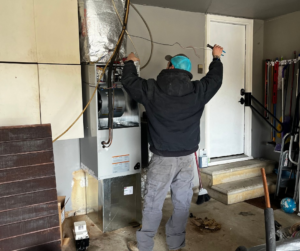 5. Increase Overall Comfort
A well-maintained system provides:
- More consistent heat
- Better airflow
- Quieter operation
- Improved reliability
Comfort shouldn’t be a luxury in winter—it should be a guarantee.
Why Homeowners Choose Kasper Mechanical for Winter Furnace Maintenance
Kasper Mechanical is trusted by homeowners throughout the Fredericksburg region for expert furnace and HVAC services. Local winter conditions are unpredictable, and our technicians understand the unique heating challenges in this region.
When you schedule your preventative HVAC maintenance with Kasper Mechanical, you get:
- Certified, highly trained technicians
- Detailed safety and performance inspections
- Local expertise and fast response times
- Honest recommendations and reliable service
- A focus on comfort, safety, and long-term system health
We help homeowners prevent breakdowns—not just fix them.
Don’t Wait for a Furnace Breakdown—Prepare Now
Winter HVAC problems rarely happen at convenient times. A preventative furnace inspection is the easiest way to avoid unexpected breakdowns, high energy bills, and costly emergency repairs.
Protect your comfort, your home, and your wallet this winter.
Call Kasper Mechanical at 540-300-7917
Stay warm, stay safe, and stay worry-free all winter long.